Clothing, Performance, and Culture Exchange
This object shifts the focus from the movement to what dancers wore and why it mattered. In Tang Dynasty visual culture, clothing was not just decorative, it played a direct role and how dance was performed and understood. The garment shown in this painting include layered silk ropes, long skirts, and draped fabric. This was designed to work with the body enhancing movement and making dressers more visible.
By examining attire, this section shows how women’s role and dance were shaped not only through performance, but also through the exceptions placed on how they should look, move, and present themselves in society.
Women’s Attire in Tang Dance

Tang Dynasty court lady wearing layered silk garments, including a long skirt and draped outer robe. The flowing fabric highlights how clothing was designed to enhance movement in dance and performance. Source
This painting highlights the importance of clothing and understanding women’s role and dance during the Tang Dynasty. The figure is shown wearing layered silk garments, including a long skirt pattern, upper robe and draped outer cloth. These elements were not only for appearance, but were carefully designed to support movement.
For women dancers, clothing was different from everyday attire because it needed to emphasize movement and expression. This included long sleeves, loose fabrics, and layered garments, creating a sense of motion, even when the body was steel. This made performances more visually engaging and helps communicate emotion, and storytelling. And contrast to every day clothing was more practical, less exaggerated, focusing more un function, rather than visually pleasing.1
Clothing also reflected social expectations placed on women. Dancers were expected to represent elegance, control, and refinement, and their entire helped communicate these qualities. It’s also important to know how women were the ones in charge of creating the clothes. The detailed patterns and carefully arrange layers, showed status and culture value, while still allowing flexibility for movement. This shows that dance attire was not random, but intentionally designed to balance book performance and social identity.
Culture Exchange: How the Silk Road Influenced on Clothing
The silk Road played a major role in shaping clothing styles during the Tang Dynasty. As China interacted with Central Asia and other regions, new fabrics, patterns, and garment styles were introduced. Some clothing became more open others became more layered and decorative due to foreign influence, reflecting a blend of culture traditions.
This exchange also impacted dance as new styles of clothing were introduced. They influence how dancers moved and perform. Flowing garments and draped fabrics allowed for more expressive gestures, while also reflecting the culture diversity of the era. This shows that clothing and performance evolved together, shaped by the movement of ideas in traditions across the Silk Road.
Clothing as Expression and Identity
Clothing in this context was more than decoration. It was a form of expression. The way, garments reward, colored, layered, and styled reflected, both individual identity and border cultural values. For women dance became a space where clothing could be used to communicate, elegance, discipline, and artistic skill.
The emphasis on flowing fabric and structured layering shows how a tired combined directly to performance. It allowed dancers to visually extend their movement, making their actions more noticeable and expressive. This reinforces, the idea that women’s role and dance were shaped and not only by movement, but also by how they presented themselves through clothing.
Detail and Design in Textile Representation
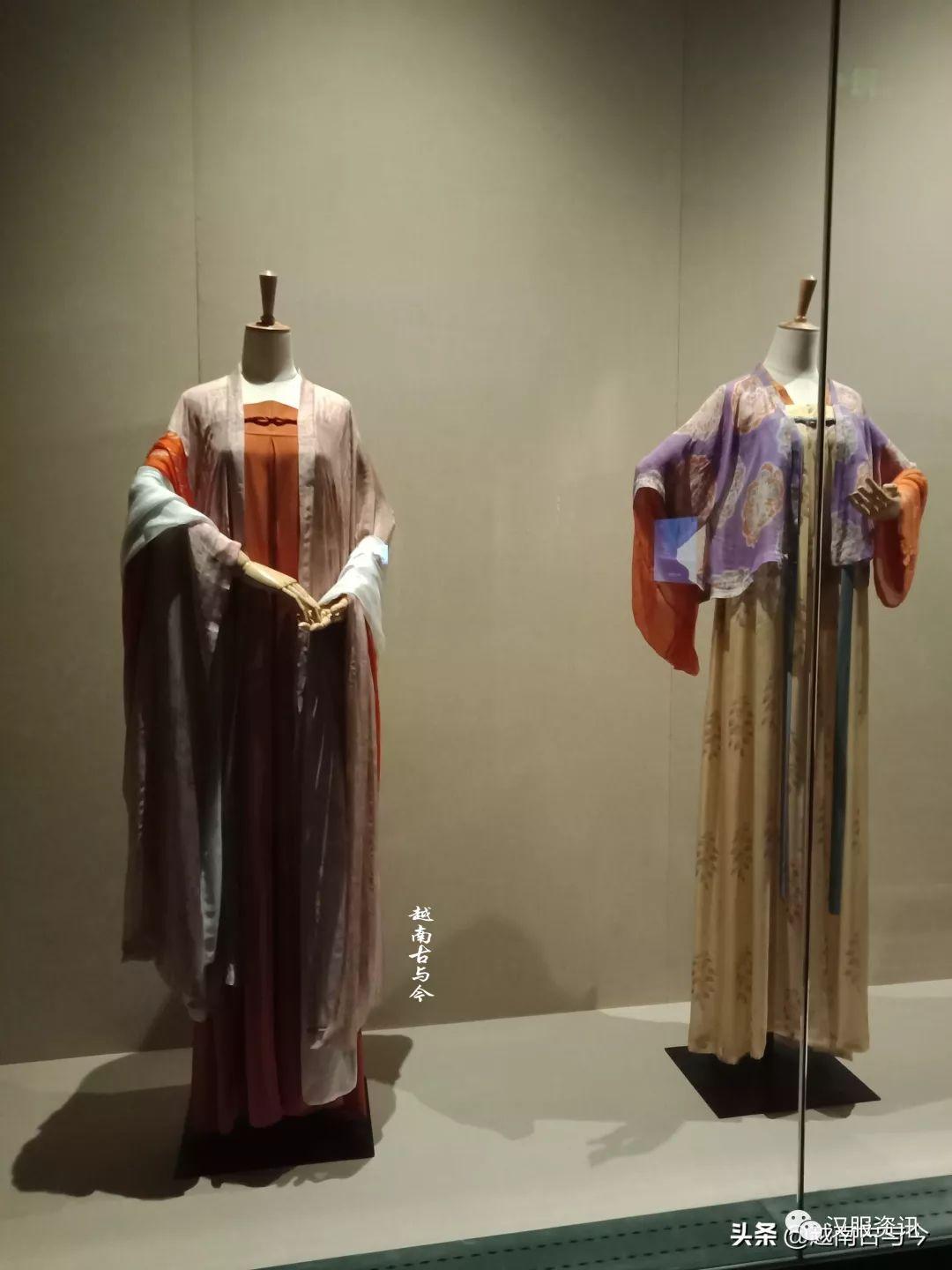
Detail of Tang Dynasty clothing showing patterned silk, layered garments, and draped fabric. These elements highlight the craftsmanship and design used to enhance movement and visual expression in dance. Source
The detailed patterens and textures shown in the painting highlight the craftmanship of Tang Dynasty textiles. The use of repeating designs and layered fabric show that clothing was carefully constructed, not only for durability, but also for a visual impact. The patterns added depth and complexity to the overall appearance, making the figure stand out.
This attention to detail also reflects the importance of silk production during the Silk Road period. Silk was one of the most valuable goods traded, and its use in clothing shows the connection between economy, culture, and performance. The combination of design, material, and movement demonstrates how clothing plate a key role in shaping both artistic expression and cultural identity.
Bibliography
-
- Wen Hui Bao. “新城公主、懿德太子时代穿什么?溯源千年国风,5套复原款唐代服饰亮相中国国际服装服饰博览会.” 2023. https://whb-oss.oss-cn-shanghai.aliyuncs.com/zhuzhan/xue/20230329/514186.html
- Liu, Fei. “The Inheritance of Tang Sancai Pottery Figurines in Luoyang: The Integration of Traditional Handicrafts and the Regional Cultural Background of Social Transformation.” Edelweiss Applied Science and Technology, 2024.
- Hansen, Valerie. The Silk Road: A New History. Oxford University Press, 2012.
- Kuhn, Dieter. The Age of Confucian Rule: The Song Transformation of China. Harvard University Press.
-
Kuhn, Dieter. The Age of Confucian Rule: The Song Transformation of China. Harvard University Press, 2009. ↩